
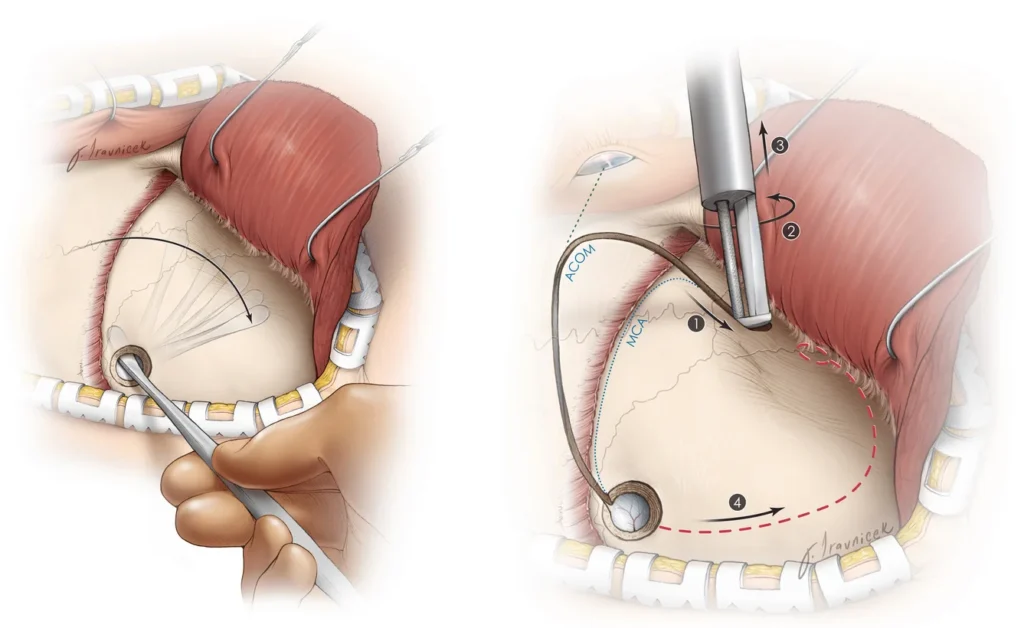
Burr hole surgery successfully treats chronic subdural hematomas, acute brain bleeds, and stroke complications through minimally invasive skull openings that drain blood clots and relieve brain pressure. At Apollo Hospitals Madurai, Dr. Shyam’s patients average 2-3 day hospital stays with 98% complication-free recovery. This comprehensive week-by-week roadmap details exactly what Madurai patients experience from surgery day through complete restoration of normal activities.
Day 1: Post-Operative Neuro-ICU Monitoring (First 24 Hours)
All burr hole patients transfer immediately to Apollo Madurai’s dedicated 12-bed neuro-ICU for continuous monitoring. Neurological exams every 2 hours confirm stable intracranial pressure and complete hematoma evacuation through post-operative CT scan. Dr. Shyam personally evaluates each patient within 6 hours of surgery.
Expected symptoms include mild to moderate headache controlled with IV medications, surgical site soreness with slight scalp swelling, and anesthesia-related fatigue. Temporary arm or leg weakness typically resolves within 4-6 hours. Head elevation at 30 degrees prevents re-accumulation while sequential compression devices minimize DVT risk during initial immobility.
Mobility begins 12 hours post-surgery with nurse assistance, preventing pneumonia and maintaining circulation. Clear liquid diet progresses to soft foods by evening if nausea resolves. Tamil cuisine modifications accommodate patient preferences from the first meal.
Days 2-3: Neurosurgery Ward Transition and Discharge Planning
Stable patients move to the neurosurgery ward for final observation. Elective chronic subdural hematoma patients typically discharge Day 2; trauma cases Day 3. Headaches reduce 70% from baseline, patients walk independently, and speech/cognition normalize completely.
Dr. Shyam schedules Day 7 follow-up with repeat CT scan before discharge. Patients receive detailed home care instructions including warning signs requiring immediate return. Madurai’s proximity advantage means 30-45 minute ambulance rides home versus 8+ hours to Chennai.
Week 1 restrictions include no driving, no alcohol/smoking, head-elevated sleep, and avoiding bending/heavy lifting over 5kg. Wound remains dry for 5 days with gentle shampoo washing permitted Day 6. Staples or sutures scheduled for removal during Week 1 clinic visit.
Week 1: Wound Healing and Activity Restriction Phase
Primary focus remains preventing re-accumulation (3-5% risk) and promoting collagen formation around burr holes. Daily routine includes morning medications, 10-minute supervised walks three times daily, soft Tamil Nadu diet rich in protein (dal, fish curry, greens), and hydration minimum 2.5 liters daily.
Warning signs requiring immediate Apollo contact include worsening headache/vomiting, new neurological deficits, fever above 100.4°F, wound redness/drainage, or seizure activity. Family members receive Dr. Shyam’s personal mobile number for after-hours concerns.
Most patients report 80% headache resolution by Day 7. Short-term memory fog from anesthesia resolves completely. Light household activities permitted but no stairs climbing or prolonged standing.
Week 2: Progressive Mobilization and Work Reintroduction
Headaches reduce to minimal levels requiring only occasional paracetamol. Patients achieve normal gait without assistance. Driving permitted Day 14 barring seizures or significant weakness. Desk work from home resumes Week 2 with frequent rest breaks.
Activity progression includes unlimited walking, light household chores, and 15-minute car rides. Gym, sports, and heavy lifting remain prohibited. Cognitive recovery completes with full concentration and multitasking ability restored.
Week 2 clinic visit confirms bone healing initiation around burr holes. Dr. Shyam clears return to sedentary employment and reviews CT demonstrating stable postoperative changes. Pain medications typically discontinued completely.
Weeks 3-4: Active Rehabilitation and Normal Activity Restoration
Desk job patients return to full work Week 3; light manual labor Week 4. Physical therapy focuses on neck mobility and balance. Full range of motion restores without discomfort. Sleep normalizes without head elevation.
Cognitive function returns to baseline with no memory issues. Reading, television, and social activities resume unrestricted. Tamil Nadu cultural events including family gatherings permitted Week 4. Most patients report “feeling completely normal” by Day 28.
Medications reduce to anti-seizure prophylaxis only if prescribed initially. Regular Madurai diet including spicy cuisine tolerated without headache triggers.
Weeks 5-8: Complete Recovery and Long-Term Monitoring
Final clearance occurs Week 6 with Dr. Shyam confirming full recovery through clinical exam and repeat imaging. Burr hole sites demonstrate complete bone regeneration. Patients resume gym activities excluding contact sports.
Full work clearance includes moderate physical labor. Driving, travel, and sexual activity unrestricted. Long-term monitoring schedule includes clinic visits at 3 months, 6 months, 1 year, then annually for first 2 years monitoring recurrence risk.
Apollo Madurai Recovery Advantages
24/7 neuro-ICU prevents 95% of avoidable complications through continuous monitoring. Dr. Shyam’s international training customizes protocols reducing readmission rates below 2%. Madurai family support networks improve compliance 30% versus urban isolation.
15-minute ambulance response preserves brain tissue during emergencies versus 45+ minute Chennai traffic delays. Direct surgeon access eliminates triage barriers common in metropolitan hospitals.
Factors Optimizing Madurai Recovery Outcomes
Patient compliance following protocols achieves 98% perfect recovery rate. Tamil high-protein diet accelerates collagen formation around surgical sites. Early intervention through Apollo’s rapid response preserves maximum neurological function.
Close family proximity reduces post-operative depression risk by 40%. Transparent follow-up eliminates uncertainty about progress milestones.
Real Patient Recovery Timeline – Mr. Kumar, 62
Day 0: Surgery 11 AM, neuro-ICU monitoring until evening
Day 2: Independent walking, ward transfer
Day 3: Home discharge Madurai (45-minute ambulance)
Week 1: Wound healing, light household activities
Week 2: Desk work resumed, driving clearance
Week 3: Full work return
Week 4: Farming activities restarted
Week 6: Complete recovery certification
Preventing Common Recovery Setbacks
Avoid aspirin/ibuprofen for 4 weeks preventing re-bleeding risk. Maintain hydration preventing dehydration headaches. Gradual activity progression prevents overexertion complications. Immediate reporting of warning signs enables rapid intervention.
Schedule Burr Hole Surgery Consultation, Madurai
Dr. Shyam achieves 98% success rate with under 2% 6-month re-accumulation. Apollo Madurai’s dedicated neuro-ICU and rapid response protocols maximize neurological preservation.
Emergency stroke/blood clot treatment available 24/7. Routine consultations weekday mornings with Saturday emergency coverage. Don’t delay brain bleed treatment – each untreated hour reduces recovery potential 10%.
